
A luxury packaging design agency helps brands create premium, eye-catching packaging that reflects quality, elegance, and strong brand identity. From concept to final design, it focuses on delivering a memorable unboxing experience that builds customer trust and increases perceived value. The goal is to turn simple packaging into a powerful marketing tool that stands out in a competitive market.
Why Generic Design Agencies Fail Premium Brands
Premium brands don’t just sell products they sell perception, experience, and emotion. Generic design agencies often fail in this space because they apply one-size-fits-all solutions that ignore the depth of luxury branding. As a result, the final output feels average, inconsistent, and disconnected from the brand’s true value.
Lack of Understanding of Luxury Psychology
Generic agencies usually focus on basic visuals rather than the psychology behind luxury appeal. Premium branding is built on subtlety, exclusivity, and emotional storytelling. Without understanding how high-end customers think and feel, designs end up looking ordinary instead of aspirational.
Weak Attention to Detail and Brand Consistency
Luxury brands demand precision in every element fonts, materials, colors, spacing, and finishes. Generic agencies often overlook these details or prioritize speed over refinement. This leads to inconsistent branding that weakens trust and reduces the perceived value of the product.
What a Real Luxury Packaging Agency Actually Does
Quick Comparison Generalist Designer vs. Luxury Packaging Agency
| Factor | Generalist Design Studio | Luxury Packaging Agency |
| Best for | Brand identity, web, print collateral | Premium product packaging end-to-end |
| Key benefit | Fast, flexible, lower cost | Structural expertise + production management |
| Limitation | No factory or material relationships | Higher minimum engagement cost |
| Typical project cost | $500–$5,000 | $10,000–$50,000+ |
| Production handoff | You manage it | They manage it |
A full-service luxury packaging agency handles the entire journey: concept design, structural engineering, material selection, prototyping, factory liaison, print production, and (in some cases) fulfillment. Zenpack, for example, operates as an end-to-end agency managing design through logistics which means a brand doesn’t have to coordinate five separate vendors to get a box to market.
Agencies working at this level also have relationships with specialist finishing vendors. Scodix, for instance, is a digital embellishment technology that allows agencies to create premium raised UV textures, spot foil, and tactile finishes without the expensive tooling typically required by traditional hot-foil processes. Knowing whether your agency has access to these tools and knows how to spec for them separates a capable partner from a capable renderer.
The Vetting Checklist Questions to Ask Before You Sign
This is what Clutch listings and most agency comparison sites completely miss. They’ll show you star ratings and project costs. They won’t tell you what to actually ask.
To evaluate a luxury packaging design agency, walk through these steps:
- Ask to see a physical sample or prototype from a past project — not just a digital mockup
- Ask who manages the factory relationship and production coordination
- Confirm they can produce technical die-line specs, not just visual assets
- Ask which finishing techniques they have direct vendor relationships with (foil, embossing, soft-touch, Scodix, etc.)
- Confirm whether their quote includes structural prototyping or only graphic design
- Ask how they handle print-to-production color accuracy — specifically, whether they use physical press proofs or only digital approvals
Look if you’re evaluating agencies based on their Instagram portfolio alone, you’re skipping the only questions that actually predict production success.
Red flags to watch for
- Deliverables listed as “print-ready files” with no mention of structural specs
- No physical sampling or prototyping step in their process
- Hourly rates quoted before understanding your material and format requirements
- Portfolio showing only 2D mockups no photos of physical finished packaging
Pricing Tiers and What They Actually Get You
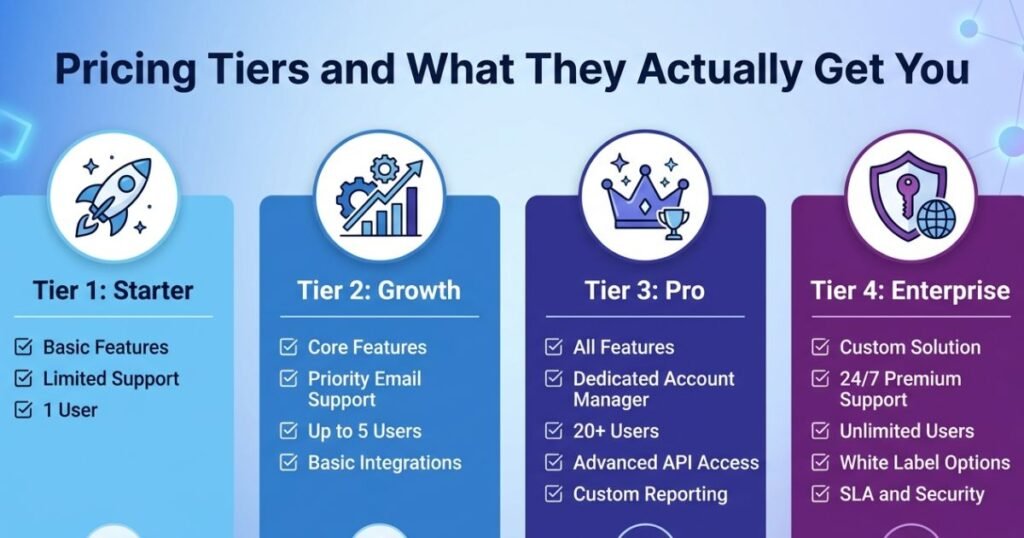
I’ve seen conflicting data here some sources suggest luxury packaging design others put serious brand-ready. My read is this: the number depends almost entirely on whether structural engineering and production management are included.
projects typically cover graphic design only artwork, label files, and print-ready assets. You still manage the manufacturer relationship, prototyping, and production logistics yourself. This is appropriate for brands that already have a packaging format established and need a design refresh.
projects include structural design, material sourcing, prototype rounds, and usually some degree of production management. This is the right tier for a new product launch or a premium rebrand where the format itself is changing.
projects are where full end-to-end agency partners like Zenpack or WestRock (one of the largest structural packaging innovators, known for sustainable material development at scale) come in managing everything from design brief to warehouse delivery.
Some experts argue that smaller boutique agencies consistently outperform large studios on luxury work because of the senior attention they provide on each account. That’s valid — particularly for independent beauty and spirits brands. But if your supply chain spans multiple countries or your volumes are significant, a larger agency’s factory network becomes a real operational advantage.
Sustainability Is Now a Luxury Signal Not a Trade-Off
In today’s premium market, sustainability is no longer seen as a compromise it has become a powerful symbol of luxury. High-end consumers now associate eco-friendly choices with responsibility, exclusivity, and forward-thinking brands. Luxury is no longer just about appearance; it is also about values, ethics, and long-term impact.
Eco-Friendly Materials Define Modern Luxury
Premium brands are increasingly using recycled, biodegradable, and responsibly sourced materials in their packaging and products. This shift not only reduces environmental impact but also enhances brand prestige. Customers perceive sustainable materials as a sign that the brand values quality over mass production.
Conscious Consumers Drive Brand Value
Today’s luxury buyers are highly aware and selective. They prefer brands that align with their lifestyle and environmental beliefs. When a brand embraces sustainability, it builds deeper emotional trust, making customers more loyal and willing to pay a premium price.
Conclusion
A luxury packaging design agency plays a vital role in shaping how customers perceive a brand. By combining creativity, premium materials, and strategic design, it transforms ordinary packaging into a luxury experience. This not only enhances product appeal but also strengthens brand identity and builds long-term customer loyalty in a competitive market.
FAQs
What’s the best luxury packaging design agency for cosmetics brands?
Agencies like Zenpack specialize in end-to-end premium packaging including cosmetics. Look for studios with physical prototyping, material sourcing relationships, and experience in soft-touch, foil, and sustainable finishes specific to beauty.
How do I know if a packaging agency can handle luxury-level work?
Ask for physical samples from past projects, confirm they produce structural die-lines (not just artwork), and verify they manage factory coordination not just design handoff.
Should I hire a packaging specialist or a general branding agency?
For premium product packaging, a specialist is almost always the right choice. General agencies excel at brand identity but typically lack structural expertise, material relationships, and production management capabilities.
Why does luxury packaging design cost so much more than standard design?
Because it includes structural engineering, physical prototyping, premium material sourcing, finishing coordination, and production management — not just graphic artwork. The design file is a small part of the total scope.
When should I start working with a packaging agency before a product launch?
Minimum 16 20 weeks before your target launch date. Structural prototyping alone takes 4–6 weeks; production runs add another 6–10 weeks depending on materials and factory location.