
In 2026, digital ads are a key driver for increasing travel bookings. With strong competition in the travel industry, businesses can’t depend only on organic reach anymore. Targeted ads help brands reach the right audience at the right time, improving conversions and ROI. Platforms like Google Ads and Meta allow precise targeting based on user behavior and location. When combined with engaging visuals, clear messaging, and retargeting, digital ads can greatly boost booking rates and customer engagement.
Why Most Travel Ad Campaigns Fail Before the Booking Page
Travel ad campaigns often look visually stunning, but many fail to convert users into actual bookings. The main issue is not traffic—it’s the disconnect between advertising and user intent. Most campaigns attract attention but don’t guide the customer smoothly toward the booking stage. As a result, potential travelers drop off before reaching the final step.
Weak Targeting and Mismatched Audience Intent
One of the biggest reasons travel ads fail is poor targeting. Many campaigns reach people who are simply browsing or dreaming about travel, not those ready to book. When the audience intent doesn’t match the offer, even the best-designed ads struggle to perform. Successful campaigns focus on high-intent users who are actively planning trips.
Poor Landing Page Experience and Conversion Flow
Even if users click the ad, many travel campaigns lose them on the landing page. Slow loading times, confusing layouts, hidden prices, or complicated booking steps create friction. If users cannot quickly find information or complete a booking in a few clicks, they leave. A smooth, fast, and clear booking flow is essential to turn clicks into confirmed reservations.
Building a Three-Stage Ad Funnel for Travel Bookings
A functional travel ad strategy requires three distinct campaign layers working in sequence. Here’s what each one does and what platform owns it best.
Stage 1 Awareness (Meta Ads)
At this stage, your potential customer isn’t searching for anything yet. They’re scrolling. Instagram Reels and Facebook feed placements are where you plant the idea. Use high-quality destination footage, short-form video (under 30 seconds), and audience targeting built around travel interests, competitor page engagement, and lookalike audiences modeled on your past bookers.
Stage 2 Consideration (Google Search Ads)
Now they’re searching. “Best Hunza valley tour packages,” “Maldives trip from Karachi,” “3-day Northern Areas itinerary.” This is where Google Ads captures genuine purchase intent. Use exact-match and phrase-match keywords tied to destination + duration + traveler type. Avoid broad match unless your budget can absorb irrelevant clicks.
How to set up a travel Google Ads campaign for bookings:
- Create a Search campaign with phrase-match destination keywords (e.g., “Northern Areas tour package 5 days”)
- Set a dedicated landing page matching the exact destination not your homepage
- Add a booking-intent CTA above the fold: “Check Availability” not “Learn More”
- Enable call extensions and location extensions to capture direct inquiries
- Link to Google Analytics 4 and set booking confirmation as your conversion event
According to Plate Lunch Collective’s 2024 travel marketing analysis, Google search ads in travel generate a CTR of around 8.24% high-intent traffic. The problem is what happens after the click, not before it.
Stage 3 Conversion and Recovery (Retargeting)
Users who visited your booking page and left are not lost. They’re your warmest audience. Meta’s retargeting pixel and Google’s remarketing lists let you follow those users across the web and social with specific re-engagement ads limited-time availability alerts, social proof (“47 people booked this tour last month”), or a simplified version of the booking offer they almost completed.
Budget Allocation How to Split Spend Across the Funnel
A smart budget allocation strategy is essential for getting the best return from your marketing campaigns. Instead of spending randomly, businesses should divide their budget across different stages of the funnel—awareness, consideration, and conversion. Each stage plays a unique role in guiding customers from first interaction to final purchase.
Top of the Funnel (Awareness Stage) Investment
At the awareness stage, the goal is to attract new audiences and build brand visibility. A larger portion of the budget is often used here for social media ads, video campaigns, and display advertising. This helps introduce your brand to potential customers who may not know you yet but could be interested in the future.
Bottom of the Funnel (Conversion Stage) Focus
The conversion stage is where the actual sales happen, so budget must be carefully optimized here. Retargeting ads, search campaigns, and limited-time offers work best to convert warm leads into paying customers. Spending efficiently at this stage ensures that earlier marketing efforts turn into real revenue.
Platform Comparison Google Ads vs Meta Ads for Travel
| Option | Best For | Key Benefit | Limitation |
| Google Search Ads | High-intent destination searches | Reaches travelers ready to compare and book | Higher CPC; competitive keywords can be expensive |
| Google Performance Max | Multi-channel reach with single campaign | AI-driven placement across Search, YouTube, Display | Less control over where ads appear; needs strong creative assets |
| Meta Feed Ads | Audience-based awareness and lookalikes | Deep demographic and interest targeting | Lower purchase intent at point of exposure |
| Instagram Reels | Visual destination storytelling | High engagement; drives brand recall | Requires strong video creative; not direct-conversion focused |
| TripAdvisor Sponsored | Mid-funnel comparison stage | Contextual placement beside real reviews | Smaller reach; mainly effective for experience-based businesses |
here’s what actually works: put 60% into Google Search with tightly-controlled phrase-match keywords for your top two or three routes, and 40% into Meta retargeting for anyone who’s visited your site in the last 30 days. Don’t run broad awareness until your conversion infrastructure is solid.
What Most Guides Get Wrong: The Landing Page Problem
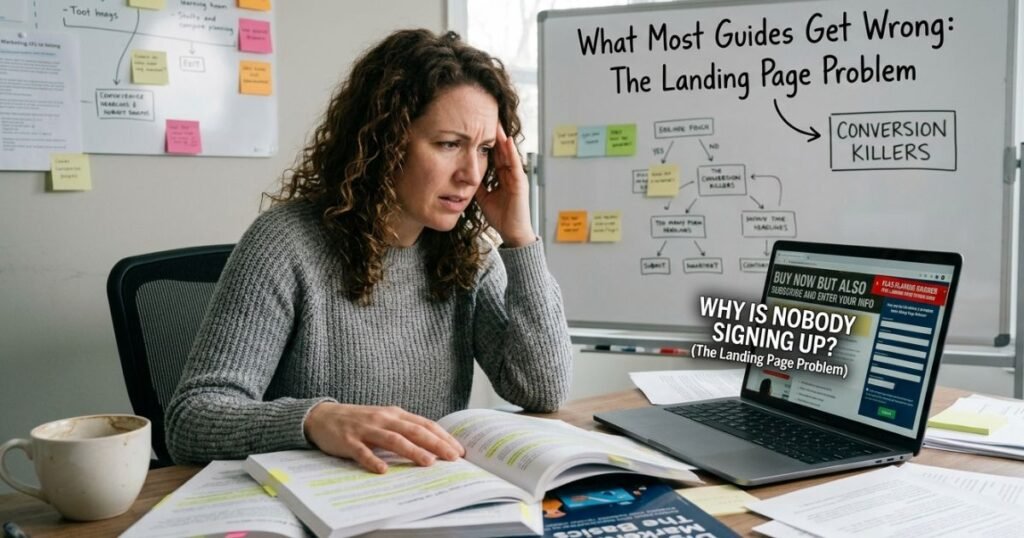
Most travel businesses send Google Ad traffic to their homepage. The homepage has twelve different tours, a blog section, a contact form, and a navigation menu with seven options. The visitor who clicked on an ad for a “5-day Gilgit tour package” arrives and immediately has to figure out where to go. Most don’t. They leave.
Every Google Search Ad campaign should have a dedicated landing page per destination or package category. The page should contain: the package name and itinerary summary above the fold, a visible price or price range, a single CTA (“Check Availability” or “Book Now”), and at minimum two or three testimonials from past travelers. That’s it.
79% of travelers now use mobile devices to research and book travel (Amra & Elma, 2024). Your landing page needs to load under three seconds on mobile and have a tap-to-call button visible without scrolling.
Conclusion
To succeed in 2026’s competitive travel market, businesses must adopt smart digital advertising strategies. By focusing on audience targeting, data-driven optimization, and personalized campaigns, travel brands can turn interest into confirmed bookings. The future of travel growth lies in precision marketing, where every ad is designed to convert.
FAQs
What’s the best digital ad platform for a small travel agency?
Google Search Ads for most small travel agencies they reach travelers at the moment of active intent. Start with phrase-match keywords for your top destinations and add Meta retargeting once your pixel has 100+ site visitors.
How do I increase bookings from my travel ads without raising my budget?
Fix your landing pages first. Sending ad traffic to your homepage instead of a dedicated tour-specific page is the single biggest conversion killer in travel PPC and it costs nothing to fix.
Should I use Google Ads or Facebook Ads for a tour company?
Both, at different stages. Google for capturing people already searching your destinations; Facebook and Instagram for building awareness and retargeting visitors who didn’t book. Running only one platform means missing half the funnel.
Why does my travel ad get clicks but no bookings?
Usually one of three issues: the landing page doesn’t match the ad’s promise, the booking flow has too many steps or friction points, or you’re targeting keywords with research intent rather than booking intent. Check all three before adjusting your bids.
When should a travel business start retargeting?
As soon as your pixel has 50–100 unique visitors. Earlier than that, the audience pool is too thin. Install the Meta Pixel and Google remarketing tag on day one, even before you’re ready to run retargeting campaigns let the data accumulate.