- Home
- Portfolio
-
Services
- Logo Design Service
- Meta Ads Management Services
- Photography Services
- Social Media Post Design Services
- Video Editing Services
- UI/UX Design Services
- E-commerce Marketing Services
- Graphic Design and Branding Services
- SEO Services
- Website Design & Development Services
- Ecommerce SEO Services
- Local SEO
- Branding and Packaging Services
- About us
- Blog
- Contact
Make every image work harder with Image SEO. Optimizing visuals ensures your content, product images, and graphics get maximum visibility, attract the right audience, and boost engagement, helping your brand stand out in search results.
At Lion Up Digital, we provide logo design, meta ads management, photography, packaging design, UI/UX design, video editing, social media post design, and website design & development. By combining these services with Image SEO, we help your brand create visually compelling, search-optimized content that drives growth and leaves a lasting impression.
Image Optimization Basics
Optimizing your images is one of the easiest ways to boost your website’s performance and visibility. Many businesses in the UAE overlook this simple step, but it can make a huge difference in search rankings and user experience. Let’s break it down in a way that’s easy to understand and apply.
How to Choose the Right Image Formats
Choosing the right image format is the first step. JPEGs are perfect for photos because they keep quality high without making files too large. PNGs work well for graphics and images with transparent backgrounds. For modern websites, WebP is a smart choice because it reduces file size even further while keeping images crisp and clear. Using the right format helps your site load faster, keeps visitors happy, and boosts SEO.
File Naming Best Practices
Search engines use image file names to understand what the picture is about. Instead of generic names like IMG_001.jpg, choose descriptive names such as dubai-marina-sunset.jpg. Including relevant keywords naturally in file names can help your images appear in search results and improve your site’s overall visibility.
Writing Effective Alt Text
Alt text is short descriptions that tell both search engines and users what an image is about. Good alt text should be clear, simple, and naturally include relevant keywords. For example, instead of “image1,” you might write “aerial view of Dubai Marina at sunset.” Alt text also improves accessibility for people using screen readers, making your website more inclusive and user-friendly.
Captions and Context Matter
Adding captions and ensuring the surrounding text matches the image’s topic can boost SEO even further. Search engines use context to understand images, so captions that describe what’s happening in the picture or how it relates to your content are valuable. This not only helps rankings but also keeps readers engaged.
By following these basics—choosing the right formats, naming files thoughtfully, writing alt text, and providing context—you’re laying a strong foundation for image SEO. These small steps make your website faster, more accessible, and more likely to appear in both web and image searches.
Technical Optimization for Image SEO
Once you’ve mastered the basics of image SEO, the next step is to make sure your images are technically optimized. This ensures your website loads quickly, performs well on mobile devices, and ranks higher in search engines. Even small adjustments can have a big impact, especially for UAE businesses competing online.
Compressing Images Without Losing Quality
Large images can slow down your website, frustrating visitors and hurting SEO. Image compression reduces file size while keeping the picture clear and sharp. Tools like TinyPNG or ShortPixel make this simple. By compressing your images, you improve page load speed, which Google loves and your visitors will notice instantly.
Responsive Images for Every Device
People in the UAE access websites on all sorts of devices, from smartphones to tablets to laptops. Responsive images automatically adjust their size depending on the screen, making sure your content looks perfect everywhere. Using responsive images also reduces load times and improves user experience, which can lead to higher engagement and more conversions.
Lazy Loading for Faster Pages
Lazy loading is a smart technique where images only load when a visitor scrolls down the page. This means your website loads faster initially, creating a smoother browsing experience. It’s especially useful for pages with lots of images, like real estate listings, product galleries, or travel blogs.
Structured Data and Metadata
Adding structured data or metadata to your images helps search engines understand what the picture represents. This can include product information, location details, or descriptive tags. Properly structured images are more likely to appear in Google Images or rich snippets, giving your website extra visibility in search results.
Why Technical Optimization Matters
Technical tweaks might sound minor, but they have a huge effect on your site’s performance and search rankings. A faster, well-structured website keeps visitors happy, encourages them to explore more, and signals to search engines that your content is trustworthy and high-quality.
Local and Cultural Optimization for UAE Websites
Optimizing images for search engines is important, but if you’re targeting the UAE, there’s another layer to consider: local and cultural relevance. Tailoring your visuals to your audience makes your website more engaging, helps build trust, and improves your chances of ranking higher in local search results.
How to Make Images Culturally Relevant
Cultural relevance means using visuals that resonate with your UAE audience. For example, if your website is about tourism, include iconic landmarks like the Burj Khalifa or Dubai Marina. For food or lifestyle content, showcase locally popular dishes, events, or traditions. When your images reflect the local culture, visitors feel more connected to your brand, and search engines notice that your content is relevant to the region.
Bilingual SEO for Images
Many UAE users are bilingual, so it’s helpful to optimize your images for both English and Arabic audiences. This includes using alt text, captions, and file names that are understandable in both languages. For instance, a product image could have an alt text like “luxury watch for men ساعة فاخرة للرجال.” Bilingual optimization ensures you reach a wider audience and makes your website more accessible to all users.
Using Local Landmarks and Visual References
Images with recognizable UAE landmarks or local scenes can increase engagement and trust. Whether it’s a real estate website featuring Dubai’s skyline or a travel blog showing the desert landscape, these visuals help users quickly understand the context and feel more connected to your content. They also send strong location signals to search engines, which is beneficial for local SEO.
Why Local Optimization Matters
Local and culturally relevant images make your website feel personalized, which keeps visitors interested and encourages them to explore more pages. It also shows search engines that your content is designed for a specific audience, improving your chances of appearing in local searches, maps, and image results.
Advanced Image SEO Strategies
Once your images are well-optimized technically and locally, it’s time to explore advanced strategies that can really make your website stand out. Implementing these methods ensures your UAE website gets maximum visibility, higher rankings, and better user engagement. Lion Up Digital can guide you through these strategies for long-lasting results.
Creating Image Sitemaps
An image sitemap is a special file that tells search engines about all the images on your website. By submitting an image sitemap, you make it easier for Google and other search engines to discover and index your images. This can help your pictures appear in Google Images and increase organic traffic. It’s a simple step that has a big impact.
Tracking Image Performance
Knowing which images drive traffic and engagement is crucial. Using tools like Google Analytics and Search Console, you can track clicks, impressions, and user behavior related to your images. This data allows you to see what’s working and adjust your strategy accordingly, ensuring your website continues to grow in visibility and effectiveness.
Common Image SEO Mistakes to Avoid
Even small mistakes can hurt your SEO. Avoid using generic file names, overstuffing alt text with keywords, or uploading huge uncompressed images. Also, skip duplicating stock images without context. These errors can slow your website, confuse search engines, and reduce user engagement. Lion Up Digital helps UAE businesses avoid these pitfalls while maximizing results.
Optimizing for Long-Term Results
Advanced strategies aren’t just about quick wins—they’re about sustainable growth. Combining image sitemaps, performance tracking, and proper local and technical optimization ensures your site maintains strong rankings over time. Regularly auditing images and updating them as needed keeps your website fresh, fast, and relevant.
Image SEO for Different Website Types
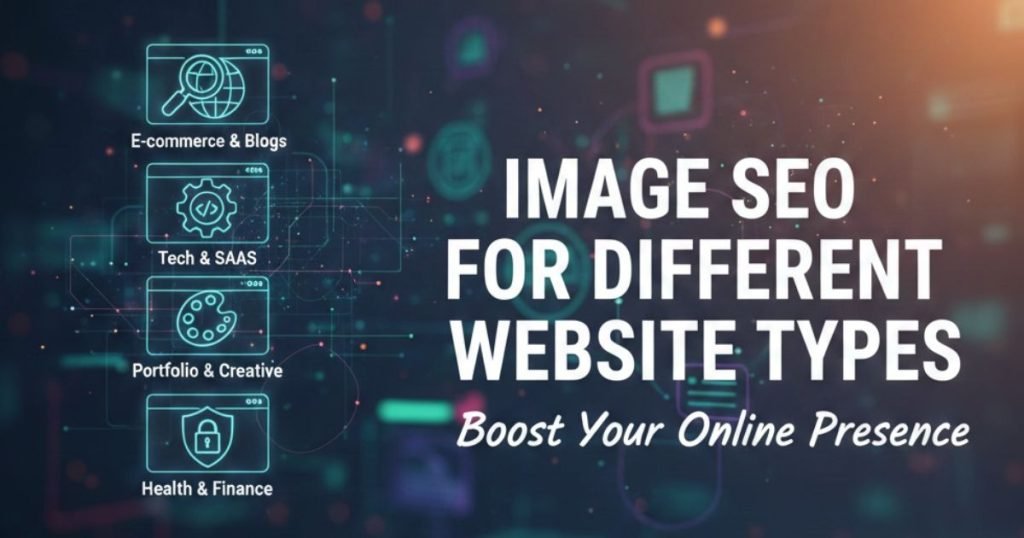
Optimizing images isn’t one-size-fits-all. Different websites have unique needs, and tailoring your image SEO strategy can make a big difference in results. Whether you run an e-commerce store, a blog, or a real estate site in the UAE, knowing how to handle images correctly can improve rankings, user experience, and conversions.
E-commerce Websites
Product images are the heart of an online store. Clear, high-quality visuals with descriptive file names and alt text help customers understand what they’re buying. For example, instead of “product1.jpg,” use “luxury-dubai-watch.jpg.” Compress images to keep pages fast without sacrificing quality, and use responsive images so shoppers on any device have a smooth experience. Well-optimized product images can also appear in Google Image search, bringing extra traffic to your site.
Blogs and Content Sites
For blogs, visuals help break up text and make articles more engaging. Use relevant images with keyword-rich alt text to boost SEO, and include captions that describe the image. Infographics, charts, and illustrations are especially effective for increasing time on page. For UAE audiences, include locally relevant visuals, like cityscapes, events, or cultural icons, to make your content feel relatable.
Real Estate and Tourism Websites
Real estate and travel sites rely heavily on images to attract potential buyers or visitors. High-resolution images of properties, landmarks, or tourist destinations with descriptive names and alt text improve visibility in search results. Include local landmarks and cultural references to appeal to UAE users, and compress images so galleries load quickly without losing detail.
Why Tailored Image SEO Matters
Each website type has different goals, but the common thread is that optimized images enhance user experience, boost search rankings, and drive more traffic. By adjusting your approach based on your site’s focus, you ensure every image contributes to your SEO strategy.
Conclusion
Image SEO is a powerful way to boost your website’s search visibility and user experience. By optimizing images with descriptive alt text, proper file names, and fast-loading formats, your site not only ranks better in Google Image Search but also improves overall SEO performance. Investing in Image SEO ensures faster pages, increased traffic, and a more engaging experience for visitors, making your website stand out in search results.
FAQs
What is Image SEO?
Image SEO is the practice of optimizing images on your website to improve search engine rankings, page load speed, and visibility in image search results.
Why is Image SEO important?
Properly optimized images enhance user experience, improve website performance, and increase organic traffic from Google Image Search.
How do I optimize images for SEO?
Use descriptive file names, add alt text, compress images for faster loading, implement structured data, and use responsive image sizes.
Can Image SEO help improve overall website rankings?
Yes, optimized images improve page speed, accessibility, and user engagement, all of which are ranking factors for search engines.
What tools can I use for Image SEO?
Tools like TinyPNG, ShortPixel, ImageOptim, and Google PageSpeed Insights help compress, optimize, and analyze image performance for SEO.